The disease is characterized by passing copious amounts of diarrhea stools (sometimes referred to as rice-water stools because of their appearance) and sometimes may also be associated with vomiting. The rate of losing body fluids is so fast that it may quickly lead to dehydration and death if one does not receive proper care. Mortality rate for unmanaged cholera may be as high as 50% but under professional care this figure may drop to less than 1%. It is important that you RUSH to hospital with any case of severe diarrhea. You may be sorry if you wait too long. Normally symptoms start one to five days after ingestion of water or food containing the bacterium – vibrio cholera.
What may one experience?
Most of the things we experience are a consequence of dehydration and include:
· Diarrhoea – the predominant symptom. One may lose close to 20 litres of fluid over a 24-hour period. The stools contain flecks of whitish material about the size of rice. It smells “fishy”
· Vomiting
· Thirst
· Muscle cramps
· Rapid heart rate
· Dry mucous membranes and sometimes sunken eyes
· Restlessness or irritability especially in children
Note that sometimes the symptoms may be very mild and some carriers may be symptom-free but can infect you.
Managing an infection
Many diarrhoeal diseases may be self limiting but cholera may be fatal if the right treatment is not given
· It is extremely important to replace the fluids lost quickly and in many cases one may need to have it done intravenously (through the veins). If the victim is not vomiting copiously you may also use ORS. Note that you should always start taking in fluids orally as you rush to the hospital
· Antibiotics are also very important
Reasons for sporadic outbreak of cholera
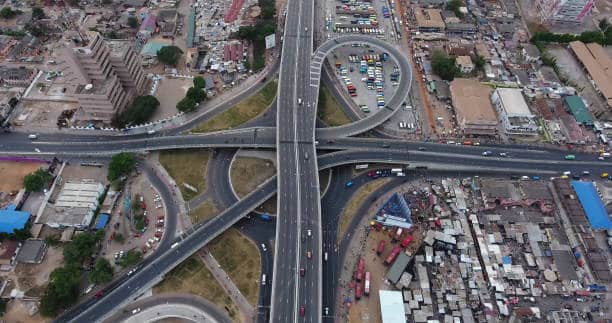
Outbreaks occur where there are disasters or other reasons for a loss of sanitary human waste disposal and the lack of safe fluids and food for people to ingest. A classic example is what happened in Haiti after the earthquake. In Accra, indiscriminate defaecation, poor waste disposal and a general disregard for hygiene have been the case for the outbreaks.
· Poor sanitation
· Poor personal hygiene especially hand hygiene
· Poor food hygiene practices
· Lack of potable drinking water
· Indiscriminate defaecation
· Poor refuse disposal including sewage
How can we prevent an infection?
Prevention of cholera requires commitment on several fronts but each of us can do our bit to reduce the chances of infection. Remember even if cholera does not kill an individual, it costs money to treat and also causes morbidity. All these add up to loss of money from our already fragile economy.
· Health education on mode of spread and prevention
· Hygiene
o Washing hands thoroughly with soap and clean water before touching food or water
o Eating warm food. Avoid food prepared in “suspicious” surroundings
o Take extreme caution when preparing food especially seafood, vegetables and fruits
o Desist from communal eating and sharing of cups, plates etc
o Ensure that food vendors cover their products appropriately and also encourage them to do their routine health screening
· Proper refuse disposal
o All refuse should be well covered
o Decontamination or appropriate disposal of soiled clothing of infected person
o Avoid indiscriminate defaecation – can you imagine how faeces may leak into burst pipelines?
· Provision of potable drinking water
o Cover all water storage containers tightly
o Boil and filter your drinking water or at least boil and allow to cool before drinking
We all have a role to play in preventing another outbreak of cholera. Let us ensure personal and environmental hygiene, encourage others to do the same and task the appropriate authorities (e.g. Ghana Water Company, Food and Drugs Board) to provide the necessary services.
Dr Kojo Essel
Health Essentials Ghana
Assistance from:
· Ms Priscilla Nortey
· Ms Lina Kpakpo