
This morning I have been struggling with deciding on a topic that will be useful to many. I just
can’t come up with one. I have considered writing on keloids, which will be done soon. I have
toyed with an overview of fatal diseases and even considered neglected diseases. I finally chose
to write about family planning since Christmas is near and the thrill of the season makes quite a
number of us throw caution to the wind and the consequences are often obvious. Its no surprise
that I know quite a number of people born in September.

Family planning means deciding how many children to have and when to have them. It also
involves planning for a child when a couple has challenges conceiving one.
A third of maternal deaths in the world could be prevented if family planning needs were met.
Every day, about a thousand women die from complications in pregnancy and childbirth. Almost
all these deaths occur in developing countries.

Benefits of Family Planning
- Empowers People
- Reduces Poverty – women able to seize educational and employment opportunities
- Enhances Quality of Life
Types of Family Planning
- Sexuality Education
- Natural Family Planning Techniques
- Contraception
Sexuality Education
Involves teaching youth how their reproductive systems function, how to use contraceptives and
the truth about pregnancy and birth control.
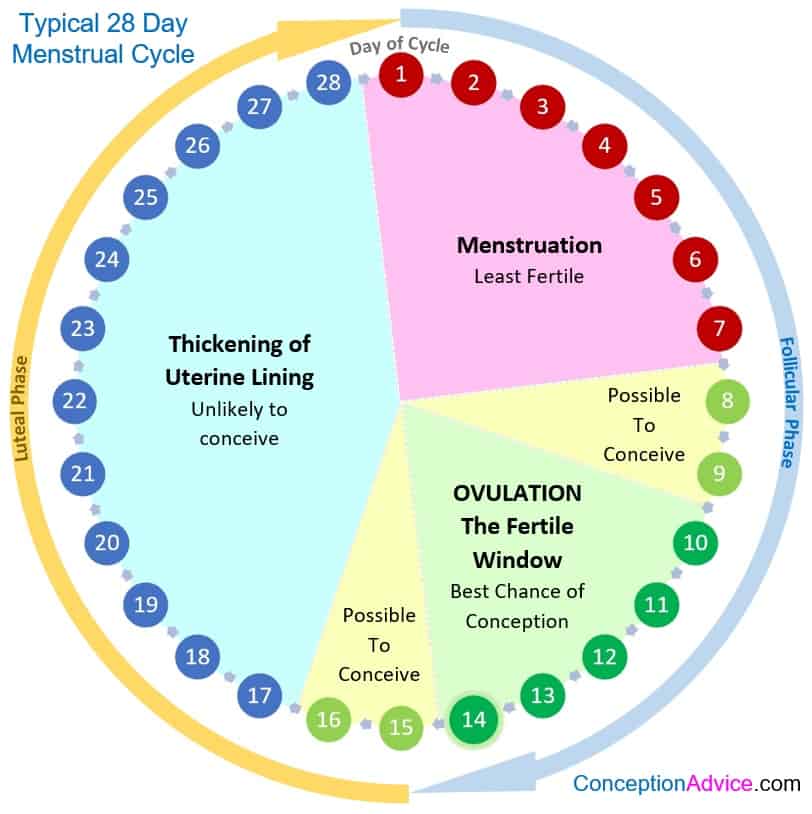
Natural Family Planning Techniques
This teaches couples how to chart fertility cycles. It can be used to either reduce or increase the
chances of pregnancy depending on the needs of the couple.
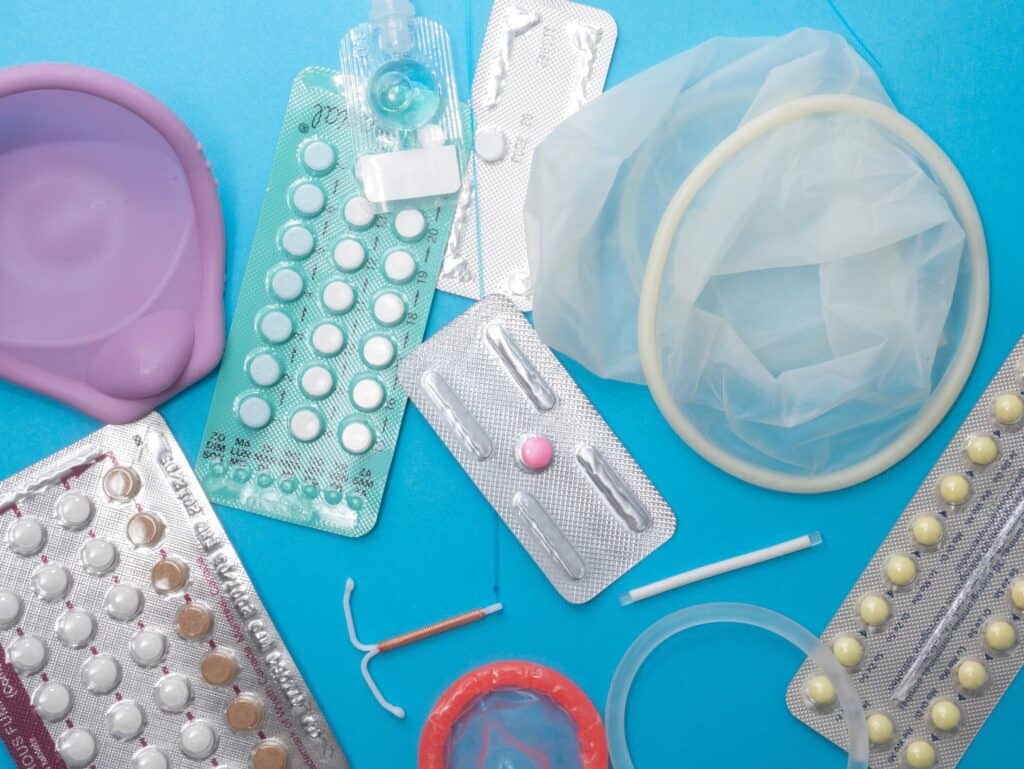
Contraceptives
A. Barrier Methods
a. These offer some protection from sexually transmitted infections and HIV/AIDS
b. Examples include; the condom, female condom or femidom and the diaphragm
B. Hormonal Methods
a. Birth Control Pill or Oral Contraceptive Pill
i. Taken daily
ii. About 8% of users including those who miss doses may get
pregnant
b. Birth Control Shot/Injection
i. Only 3% of users get pregnant in a year
ii. Effective for up to three (3) months
c. Birth Control Implant
i. Only about 1% of users may get pregnant
ii. May be effective for up to three (3) years
C. Other Contraceptive Methods
a. Intrauterine Device (IUD)
i. Placed within the womb
ii. May last up to 12 years
iii. The hormonal varieties may need to be replaced after 5 years
b. Tubal Ligation
i. A permanent method
ii. Tubes tied so eggs do not reach the womb
iii. Almost 100% effective
c. Hysterectomy
i. The womb is completely taken out. This is often done for other reasons
other than contraception.
d. Vasectomy
i. Considered a permanent surgical procedure for male sterilization.
ii. Does NOT affect the man’s ability to have satisfying sex.
Read also DIABETES; FAMILY MAKES ALL THE DIFFERENCE
We should note that the ONLY birth control method that is 100% effective is ABSTINENCE.
AS ALWAYS LAUGH OFTEN, ENSURE HYGIENE, WALK AND PRAY EVERYDAY
AND REMEMBER IT’S A PRICELESS GIFT TO KNOW YOUR NUMBERS (blood
sugar, blood pressure, blood cholesterol, BMI)
Dr. Kojo Cobba Essel
Health Essentials Ltd/ Mobissel
(dressel@healthessentialsgh.com)
*Dr. Essel is a medical doctor with a keen interest in Lifestyle Medicine, holds an MBA and
is ISSA certified in exercise therapy, fitness nutrition and corrective exercise. He is the
author of the award-winning book, ‘Unravelling The Essentials of Health & Wealth.’
Thought for the week – “Making time to relax, have fun, laugh with loved ones and give
especially to the less privileged all make you a healthier person.”- Kojo Essel