“Then there were flashes of lightning, rumblings, peals of thunder and a severe earthquake. No
earthquake like it has ever occurred since man has been on earth, so tremendous was the quake.
The great city split into three parts, and the cities of the nations collapsed…….every island fled away and the mountains could not be found.” Rev 16:18-20.
As the world converges in Glasgow to focus on commitments to tackle the climate emergency,
we should get a basic understanding of issues and how as individuals and communities we can
make changes that may make life better. Referring to Climate Change as an emergency is an
understatement; “the train already moved out of the station and we need to find a way of slowing
it down and hopefully stopping it and that is no child’s play.”- Dr. Kojo Essel
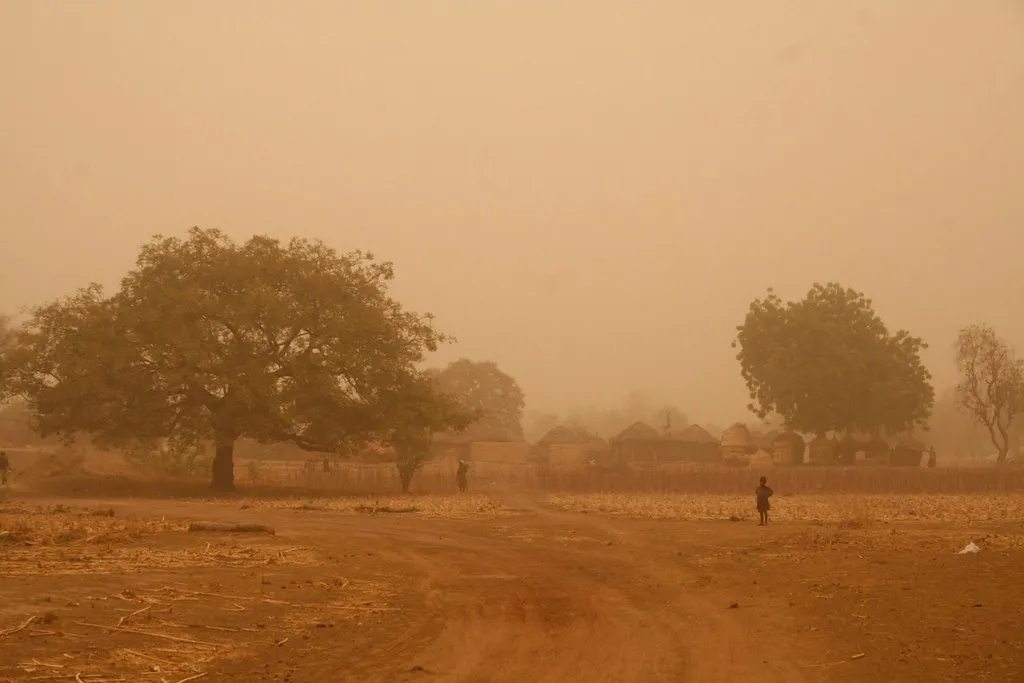
In Ghana, for instance, we have seen Climate Change manifest in many areas including;
- Rising temperatures
- Declining rainfall total and increased variability resulting in frequent rainfall in October
- Rising sea levels
- High incidence of weather extremes and disasters
The average annual temperature has increased 1 degrees Celsius in the last 30 years. Now
superimpose this on other ills such as galamsey and you can understand how water, which is
critical to our very livelihood is sometimes impossible to find and in some instances where
available should not be consumed by humans. This exposes us to countless diseases, famine and
nutritional challenges among several others. Are cash crops such as our very own Cocoa at risk?
Climate Change resulting from Global Warming poses huge threats to our health and very
existence and we are prone to a myriad of problems including:
Respiratory and heart diseases will be on the increase from the extreme heat. Frequent
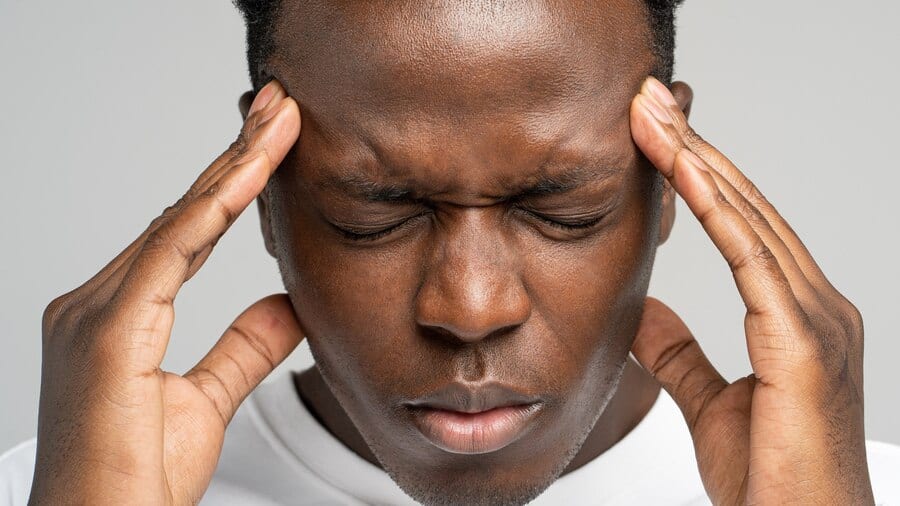
headaches from several causes, poor concentration from dehydration etc. and effects of
heat stroke stare us in the face daily. Vectors of diseases such as malaria will thrive so we
will have more ill people. Asthma for instance will have a field day as pollution
increases.
As some regions become drier, droughts will set in leading to a shortage of food and
water. Migration will increase leading to overcrowding with all its attendant health
problems such as tuberculosis.
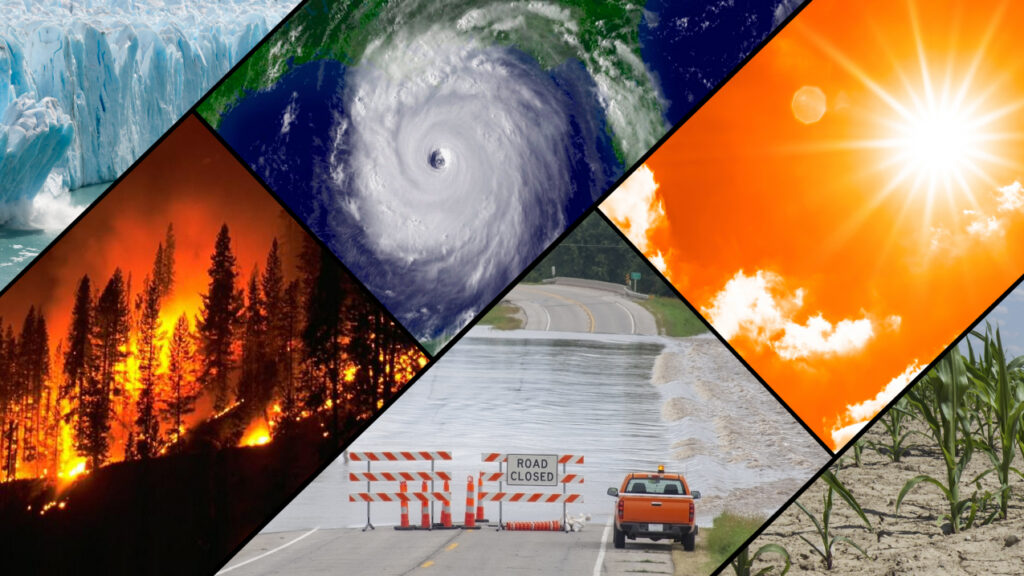
A collage of climates
Today I repost segments of a 2014 interview with Dr. Ama Essel a Climate Change expert.
KCE: What does climate change involve and is there immediate danger?
AE: Any significant change in measures of climate (such as temperature, precipitation, or wind)
lasting for an extended period. (Decades or longer).
It may also be described as a change of climate which is attributed directly or indirectly to human
activity that alters the composition of the global atmosphere and which is in addition to natural
climate variability was observed over comparable time periods. Several years of human activities are
to be blamed and these include:
• Burning of fossil fuels (charcoal, coal, and oil), deforestation, desertification, agricultural
activities, transportation, urbanization, waste management, bush burning and
industrialization.
Climate change threatens the basic elements of life such as access to food, water, shelter and
clean air – which in turn severely impacts human health. Decisions on responding to climate
change need to put health at the centre.
KCE: What is Global Warming?
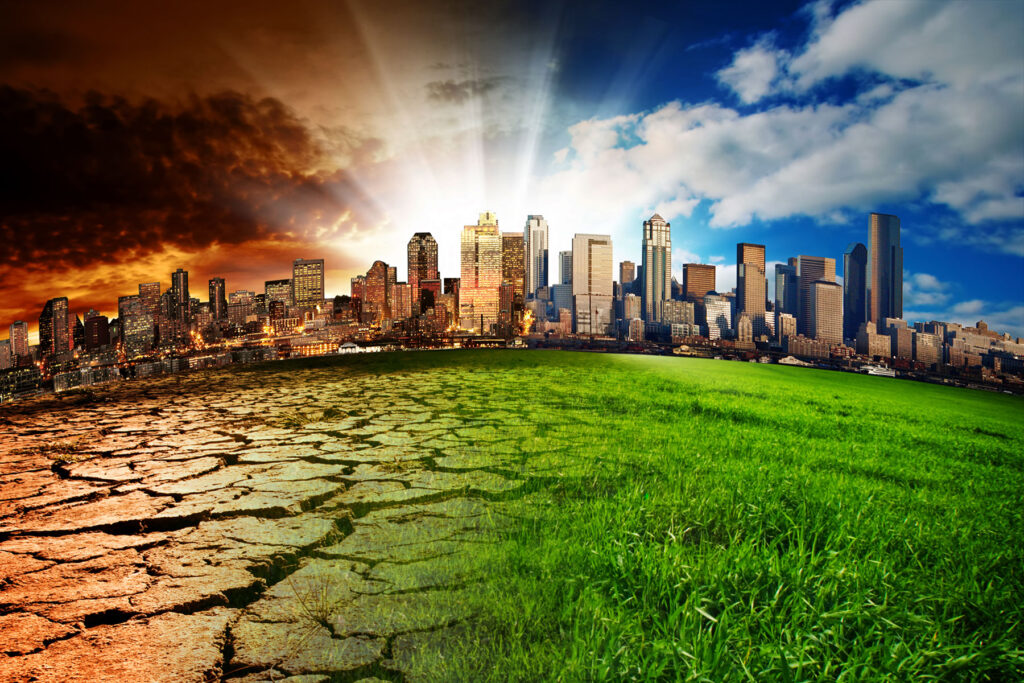
Climate-change- Global Warming
AE: Increases in atmospheric temperature resulting in changes in rainfall patterns, heat waves,
rising sea levels among others. This can be observed and it has also been projected.
KCE: What can be done to reduce the impact of Global Warming/Climate Change?
AE: Scientifically our response to climate change should be adaptation and mitigation. This
should be done at the individual level, national, regional and global levels.
Adaptation
Designing and implementing measures to reduce the impact of climate change. Adaptation will
be necessary to address impacts resulting from the warming which is already unavoidable due to
past emissions. For example, planting drought-resistant crops or building dams to irrigate arid
land or for droughts.
Mitigation
Reducing greenhouse emissions and thereby reducing exposure to greenhouse gases. Climate
mitigation is any action taken to permanently eliminate or reduce the long-term risk and hazards
of climate change to human life, property. For example, planting trees.
KCE: Most of us expect the world to warm up leaving us all sweating but we see and hear
about severe winters. What is the explanation?
AE: Global warming is what most people know and have heard about. We say the world is
warming up and because the average global temperature has increased it triggers all the extreme events that were discussed earlier. So an extreme weather event can be a bitingly cold winter, a
heatwave during summer, rainstorms leading to floods or lack of rain, or droughts leading to famine.
KCE: What is your greatest worry?
AE: African countries, small island states and other developing countries may be unable to adapt
and mitigate climate change appropriately due to financial and technical constraints.
KCE: What role do the greenhouse gases play in climate change/global warming?
AE: Greenhouse gases are naturally occurring gases in the atmosphere including carbon dioxide
which help to maintain the surface temperature of the earth. However, due to human
development the concentrations of these gases especially carbon dioxide have been altered and
have led to an increase in average global temperature. This global warming has led to a myriad of
effects in various sectors of life. These include unpredicted extreme weather events, sea-level
rise, flooding, changing seasons, droughts, decreased agricultural productivity, changes in
ecosystems and various health impacts to name a few.
KCE: What are some of the changes to human health and social systems that climate variability and climate change may cause?
AE: There will be rippling effects on human health and social systems, food productivity and
development. For example, it will affect the incidence of malaria, diarrhoeal diseases, new or re-
emerging diseases, mental health challenges, malnutrition and stunting. Some cereals, fish and
other agricultural products will not thrive and disease to livestock will increase.
KCE: How should we approach the “fight” against Global Warming/Climate Change?
AE: We must reduce the impact of climate change through individual effort,
national/governmental will and effort and through international agreements.
As individuals, we can conserve energy at home, use fewer biofuels, and avoid indiscriminate
burning and cutting down of trees. We should encourage carpooling for instance to reduce fuel
consumption while reducing exhaust fumes. Use energy-saving bulbs, use improved stoves
which conserve energy and decrease soot, avoid the use of old electrical gadgets like fridges which
will contaminate the environment to name a few..
To adapt to the impacts of climate variability and change which are already occurring we can
ensure greening of our community, know about Early Warning Systems in the country and what
to do as individuals, know about your occupation and how it will be affected by global warming/climate change. Start an alternative livelihood or trade if your occupation will be
largely affected by climate change etc.
We must encourage our government to set policies and implement programs to decrease climate
change and its impacts.
As individuals, NGOs and CSOs we must advocate for fair and equitable international
agreements that will benefit our countries and bring about sustainable development.
KCE: Knowing our occupations and how they may be affected by Climate Change; apart
from health and farming can you give us an example of an occupation that may be affected
and how we can prepare?
AE: Fishing and Tourism for example may be affected. For fishing; bumper harvest for certain
species may dwindle (may decrease in quantity or frequency) or seasons for the harvests may
change. Fishermen should work with fishery experts to know new healthy types of fish to bring
in or start some form of fish farming.
Tourism may be affected because some regions of the world which were very cold may become
warmer and people may prefer to go on holiday within their warmer continents rather than come
to Africa for example. This may adversely affect the tourism industry if measures are not taken
to improve it making travel here worth more than just for the weather. Tourism companies
should look for more and alternative avenues for attracting tourists.
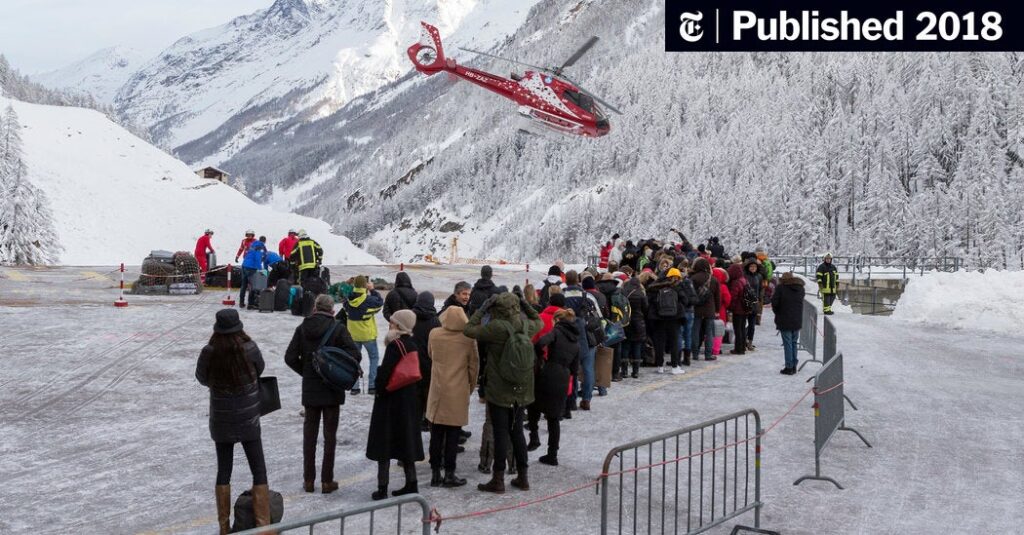
13,000 Tourists Stranded in Switzerland for 2 Days due to heavy snow and rainfall
KCE: Starting an alternative livelihood or trade sounds scary. Can’t we just do things in a
safer way and if that is not possible who will assist people to learn new skills?
AE: Scary yes but in some cases for example if you grow one type of crop only and studies
predict that the climate will not support that in the next 10years it is better to shift to alternative
types of crops (more climate resistant), mechanized farming, or alternate trade if that is more cost-effective.
The government is in the process of completing a very detailed Climate Change Policy that will
outline steps we plan to take in key sectors in the country to collaboratively address these issues.
KCE: You spoke about international agreements. What exactly do they entail?
AE: Simply put these agreements seek to establish actions to be taken by developing and
developed countries to halt climate change and adapt to the impacts already happening. These
agreements seek to set a platform where all countries can meet some set standards for sustainable development and for funding availability for developing countries to implement adaptation and
mitigation policies. It has been tough to conclude on these and individuals, organizations
(including NGOs) should advocate supporting negotiators.
KCE: What will be your final words for today?
AE: It is worth knowing that in considering climate change policies it is important to emphasize
the important but differentiated roles and responsibilities of men and women (gender). Gender
roles and responsibilities are crucial in mitigating or adapting to climate change. For example,
more women are engaged in subsistent farming. If you plan to change this to mechanized
farming the tools to be used should be fashioned to be user-friendly to women.
I hope this has improved your understanding of this global crisis and your resolve to help the
world recover. We ALL have a role to play
Read also: Hello Climate Change
AS ALWAYS LAUGH OFTEN, ENSURE HYGIENE, WALK AND PRAY EVERYDAY
AND REMEMBER IT’S A PRICELESS GIFT TO KNOW YOUR NUMBERS (blood
sugar, blood pressure, blood cholesterol, BMI)
Dr. Kojo Cobba Essel
Health Essentials Ltd/ St Andrews Clinic/Mobissel
(dressel@healthessentialsgh.com)
*Dr. Essel is a medical doctor, holds an MBA and is ISSA certified in exercise therapy,
fitness nutrition and corrective exercise.
Thought for the week – “Death by Degrees’ is a cute way of saying that while the planetary climate is shifting only slowly, we rather quickly will be seeing a number of bad health effects.”
Dr. Musil
References:
Dr. Ama Essel, Climate Change expert