I have been wondering why I have this urge to write about constipation soon after the month of
May during which we indulged in issues of blood pressure. This may have been influenced by
the frequent complaints I hear day in day out about constipation. Do all these complaints qualify
to be described as constipation?
Many people would rather not talk about constipation but if you have suffered from a bout or
two you will definitely appreciate how painful and frustrating it may be. There is this other group
of people who are obsessed with constipation and believe that all their problems will be solved
once they can move their bowels frequently. Their bad mood is blamed on constipation, poor
appetite also assumed to be from constipation and constipation cannot be excluded from any bout of headache they experience. This category of people swear by enemas and some of the
concoctions they resort to could corrode the best of intestines.
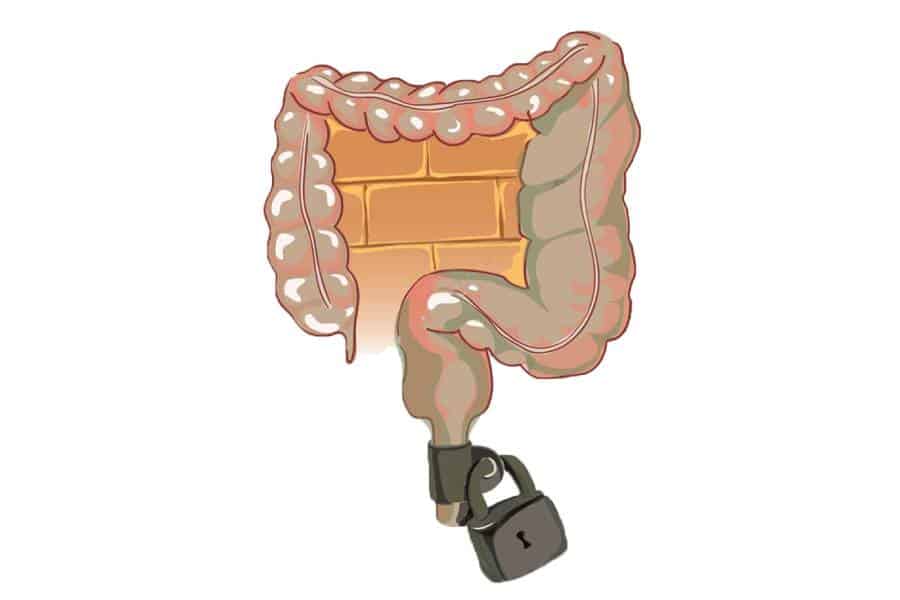
Constipation may present as infrequent bowel movements or extremely hard stools that may
cause unbearable pain. Periodic constipation may be relieved by the appropriate diet, proper
hydration and exercise but chronic constipation is often more worrying and may require medical
attention. Do not force yourself to be someone else, as individuals our bowel movements vary.
Some may go up to three times a day while for others three times a week is just right. Listen to
your body. It may appear absurd that we are discussing constipation at a time that Accra is
flooded with diarrhoea stools and scattered black bags but some people may find this life-saving.
We will focus on chronic constipation, which occurs when we experience two or more of the
following for at least three months;
- Less than three bowel movements in a week
- Hard stools that are difficult to pass
- Straining to move bowel
- Abdominal discomfort and bloating
- Frequent use of enemas and laxatives
- A sensation that your bowel is never really empty.
COMMON CAUSES OF CONSTIPATION
- Lack of exercise
o Regular exercise promotes muscle contraction in walls of the intestine. - Poor water or fluid intake
o Drink about 2 litres of water a day
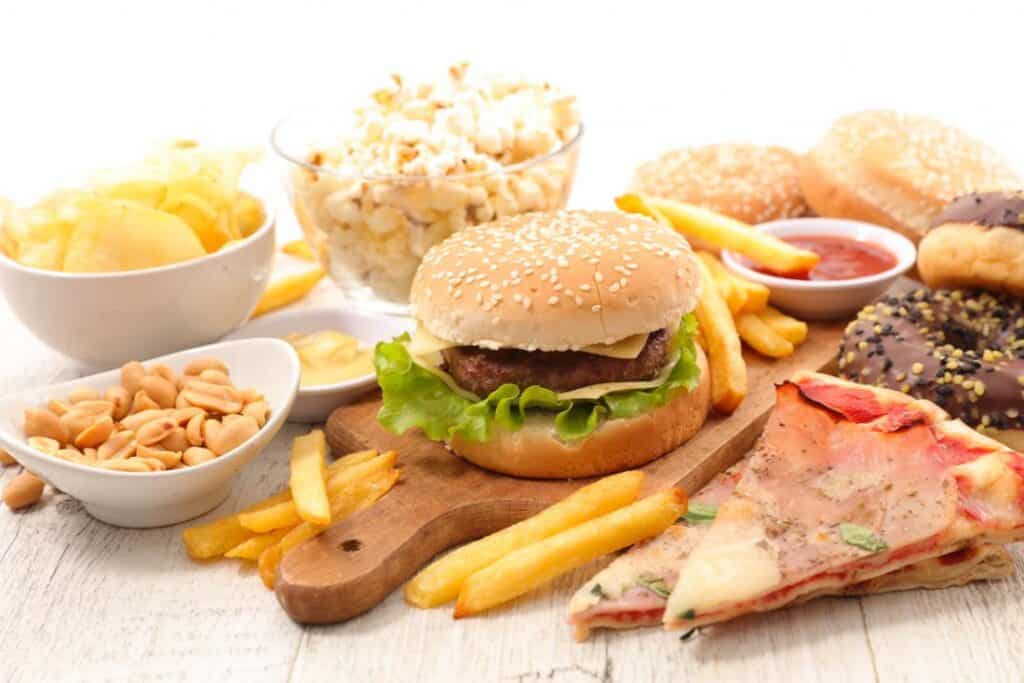
- Poor diet
o Ensure you have a lot of fibre in your meals
o Fruits and vegetables a must and go easy on refined foods such as polished rice. - Change in routine
o Change in diet and time for meals as well as a lack of proper facilities to move bowel
can all set the stage for constipation. - Ignoring the urge
o If you have to go get the right place and go. Ignoring the urge frequently could lead to
constipation but can we blame those who ignore the urge because they have to pay
money for every single episode? - Overuse of laxatives
o This is akin to teaching your bowel to wait for assistance before it performs. - Certain medical conditions
o Medical conditions such as diabetes, anxiety and depression, abnormal potassium and
calcium levels and an underactive thyroid have all been blamed. - Bowel Disease
o Several of these and may include irritable bowel syndrome and tumours - Pregnancy
o Changes in hormones or pressure on the intestines from the foetus may cause
constipation. - Side effect of some medication
o Some pain medicines and even some vitamins and supplements may have constipation
as a side effect. - Local pain
o Pain around the anus from infected haemorrhoids or cuts may lead one to suppress the
urge.
For some of us the problem may be simpler than we can imagine; our intake is so little the body
absorbs virtually everything. This scenario is very common in exclusively breast fed babies and
may not be classified as constipation.
DO NOT IGNORE THE FOLLOWING
Quite often we delay seeking help for constipation but whenever you have any of the following it
is better to act fast:
- New constipation
- Fever
- Rectal pain
- Bleeding from the anus
- Anaemia
- Abdominal pain with vomiting
- Weight loss
- Family history of colon cancer or other bowel disease.
THE UGLY SIDE OF CONSTIPATION
Chronic constipation may lead to developing haemorrhoids which may bleed or become painful,
tears in anal tissue from hard stools that worsen the constipation and straining may even push
rectal tissue out through the anus and may require surgical repair.
MANAGEMENT
Prevention is key and the focus should be on lifestyle modification. In some cases especially
involving adults, health professionals may need to manually evacuate impacted stools from the
rectum. Medications may be needed or as the causes showed one may have to stop taking some
medicines and also certain conditions will need to be treated to stop the constipation.
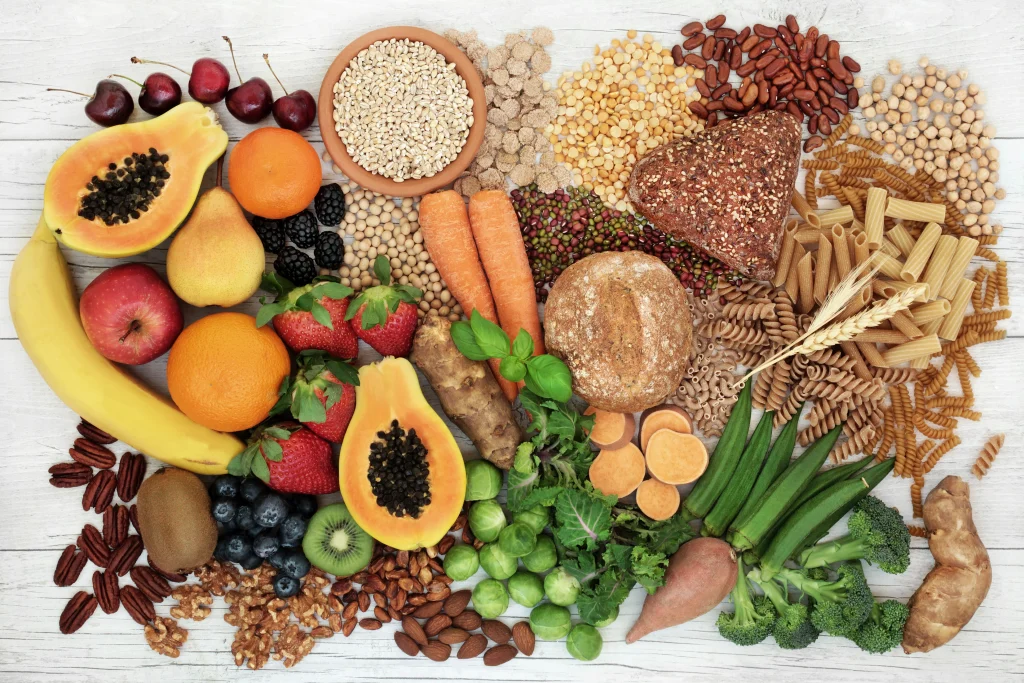
The least we should all do is to eat meals that are rich in fibre and as stated earlier it includes
fruits and vegetables, bran, nuts and seeds. Do not forget to drink adequate amounts of water or
other healthy fluids and make sure you exercise almost every day to help speed the transportation
of waste through the intestine. This is also a bonus for those who exercise regularly because they
get some protection from colon cancer. Last but not the least; establish a routine and whenever
you feel the urge answer in a civilized way and place.
AS ALWAYS LAUGH OFTEN, ENSURE HYGIENE, WALK AND PRAY EVERYDAY AND
REMEMBER IT’S A PRICELESS GIFT TO KNOW YOUR NUMBERS (blood sugar, blood
pressure, blood cholesterol, BMI)
Dr. Kojo Cobba Essel
Health Essentials Ltd/ Mobissel
(dressel@healthessentialsgh.com)
*Dr. Essel is a medical doctor, holds an MBA and is ISSA certified in exercise therapy, fitness
nutrition and corrective exercise. He is the author of the award-winning book, ‘Unravelling The
Essentials of Health & Wealth.’
Thought for the week – “although chest pain is commonly attributed to heart disease, many
people with heart disease say they experience a vague discomfort for which PAIN doesn’t seem
to be an adequate description”
References:
Chronic Constipation – Harvard Medical School (Patient Education Center) – leaflet