Stress is a powerful feeling and may only come second to love; the other feeling that may cause us to go to extremes, in both positive and negative ways. Can you imagine the sort of stress that one may be going through when there is alleged graphic evidence that a respectable group of people have abused their office?
The body reacts to stress in the same way. It does not matter if you have a “good” reason or an unreasonable reason to be stressed. Stress is “poison” though in certain circumstances it helps us to reach our goals. The duration and perceived intensity is vital. I love this quote by Frederick Saunders; “Brain cells create ideas. Stress kills brain cells. Stress is not a good idea.”
Stress is what you feel when you have to handle more than you are used to. It is a normal response of the body to situations that are perceived as “dangerous”. Everyone suffers from stress at some point of time in their life. When it occurs repeatedly, it affects health both mentally and physically. “Good” stress comes about when pursuing goals, learning and growing. Remember how you managed to read a 500 page book in less than 24 hours before a major exam or stayed awake for 72 hours preparing for your wedding?
COMMON CAUSES OF STRESS
We react differently to stressful situations. Almost anything can cause stress but we will limit ourselves to just a few:
· Bereavement
· Financial matters
· Lack of time or poor time management
· Job issues
· Illness
· Moving home
· Relationships (including divorce)
· Becoming a parent
· Retirement
· Uncertainty such as waiting for examination, medical results or certain findings being made public.
WHAT HAPPENS WHEN WE ARE STRESSED
As humans we assess situations and when we conclude that we do not have adequate resources to deal with it, we perceive it as stressful and our body will respond by;
· Blood pressure rises
· Breathing becomes more rapid
· Digestive system slows down
· Heart rate (pulse) rises
· Immune system goes down and we are prone to diseases
· Muscle becomes tense
· Lack of sleep
Imagine subjecting your body to all the above for long periods of time.
STRESS – EFFECT ON THE BODY
Excess stress can manifest in a variety of physical, emotional and behavioural symptoms. It is not surprising that stress affects virtually every organ in the body and can mimic several disease states.
PHYSICAL EFFECTS
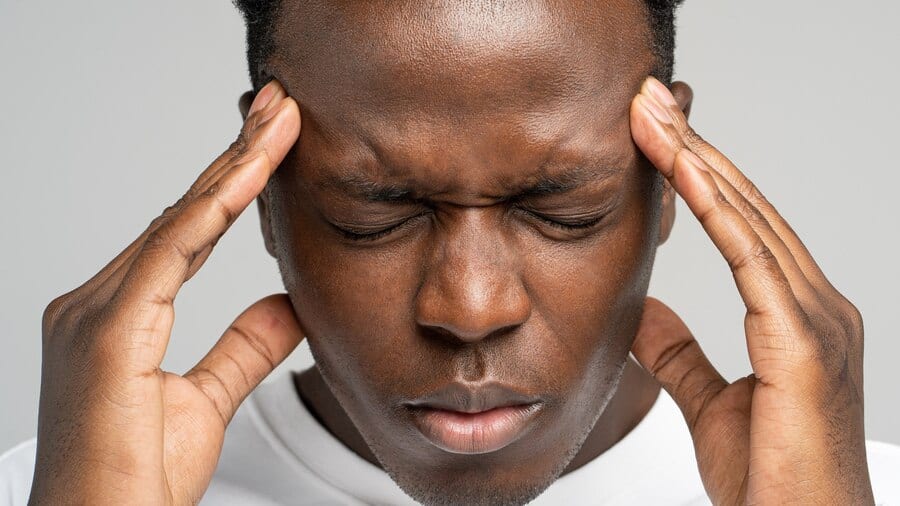
· Sweating, Back pain, Chest pain, Cramps or muscle spasms, Loss of libido, Erectile Dysfunction ,Headache, Fainting spells, Muscular aches ,Nail biting, Nervous twitches , Pins and needles, Stomach upset and many more.
PSYCHOLOGICAL EFFECTS
· Anxiety and Depression, anger, burnout, forgetfulness, problems concentrating, fatigue, sadness and irritability among others.
BEHAVIOURAL EFFECTS
· Eating too much or too little, food cravings, drug or alcohol abuse, increased smoking, social withdrawal and relationship problems.
COPING WITH STRESS
From the few scenarios we have listed above, it is quite obvious that many of us may be stressed out without even knowing it. We may consider certain feelings as normal.
I doubt if anyone has all the answers to managing stress all the time. All said and done, exercise and laughter will be competing for the top honours in the management of stress.
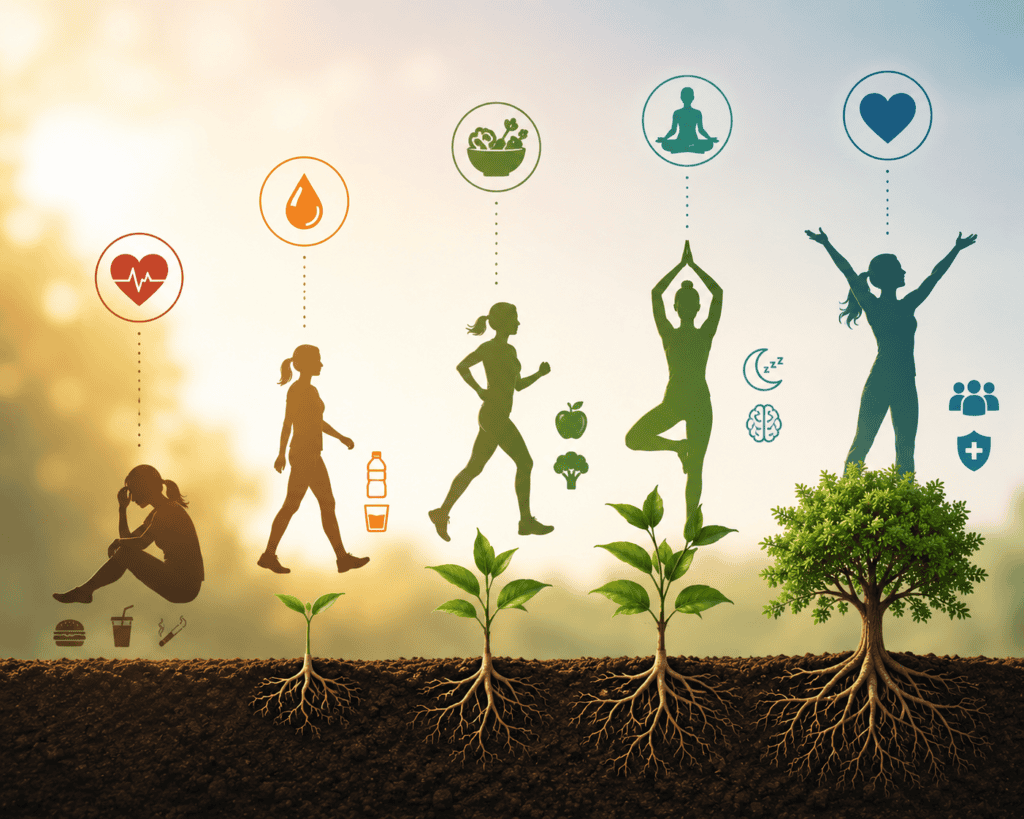
Don’t wait for “bad” stress to clamp you down, let us adopt everyday changes to prevent, reduce or cope better with stress.
Lifestyle Changes
1. Exercise
a. This is a great way to bust stress. Exercise has been proven to have a beneficial effect on our physical and mental state.
2. Laugh often
a. People who learn to laugh even at themselves cope better with pressure
3. Time management
a. Make sure you have personal time each day to organize your life. Learn to delegate and learn to prioritize. As David Allen put it “much of the stress that people feel doesn’t come from having too much to do. It comes from not finishing what they have started.”
4. Dietary modifications
a. Cut down on alcohol and drugs. If possible avoid them altogether.
b. Cut back on your consumption of coffee and other caffeinated drinks
c. Eat a lot of fruits and vegetables and drink lots of water. Ensure your meals are balanced
5. Prayer
a. Praying helps us cope because we accept that there is a being superior to us who can solve our problems. The Holy Bible tells us “do not be anxious about anything, but in everything by prayer and petition, with thanksgiving, present your request to God. And the peace of God, which transcends all understanding, will guard your hearts and your minds in Christ Jesus.” Philippians 4:6-7 (NIV)
b. Time to count your blessings; it will show you how your worries are only a small fraction of the positives in your life but surely as humans worry comes naturally to us.
Adopting Coping Skills
1. Assertiveness
a. Learn to say NO. If you are not in a position to add extra load to your schedule say it upfront.
2. Talk
a. Talk to people you can trust. Express your worries and thoughts. Do not wait till you are overburdened and can no longer cope
b. If you are a loner and have no one to talk to maybe it’s time to join a social club, learn a new game or grab an interesting book to read.
3. Breathing
a. Learn to breathe well and do it often. Take deep breaths through your nostrils and exhale through pursed lips.
4. Relaxation techniques
a. Massage, meditation, yoga, aromatherapy and reflexology are a few of the techniques that have been helpful to many people
5. Me Time
a. It is important that we make some time each day to sit alone and relax, forgetting all about the challenges in life. It does not matter if all you can afford is less than 5 minutes a day.
Seek Professional Help
You may need the help of a Medical Doctor or a Psychologist who will do the necessary tests and use the appropriate techniques or medication to help you scale the hurdle.
Adding spice to your life will go a long way to help cope with stress but do not forget that the short burst of “good” stress may be exactly what the doctor prescribed for meeting your deadlines, performing well in an event or preparing adequately for a speaking event.
The coping advice above can be used not only to minimize or prevent stress but also to manage stress. A word of caution here, the next time you have persistent chest pain do not assume it is from stress till your doctor confirms it.
AS ALWAYS LAUGH OFTEN, WALK AND PRAY EVERYDAY AND REMEMBER IT’S A PRICELESS GIFT TO KNOW YOUR NUMBERS (blood sugar, blood pressure, blood cholesterol, BMI)
Dr. Kojo Cobba Essel
Moms’ Health Club/Health Essentials
(dressel@healthclubsgh.com)
*Dr Essel is a medical doctor, holds an MBA and is ISSA certified in exercise therapy and fitness nutrition.
Thought for the week – The ONLY way to know if you have high blood pressure is to check or measure your blood pressure. Feeling well is NO guarantee that your blood pressure is normal.
Reference
3. Beyondthequote.com
4. The Holy Bible