When we think of Sexually Transmitted Infections, we automatically think of chlamydia, genital
herpes, gonorrhea, HIV/AIDS, and syphilis; however, the most common is HPV (Human
Papillomavirus Virus). According to the Center for Disease Control and Prevention (CDC), HPV
is so common that most sexually active people who aren’t vaccinated against HPV will become
infected at some point in their lives. Most never know they have the virus.
There are over 100 variants of HPV, and each variant is responsible for a different kind of
infection. Some cause warts, and others cause cancers. These cancers range from cervical,
vaginal, anal, penis, and throat.
How do you get HPV?
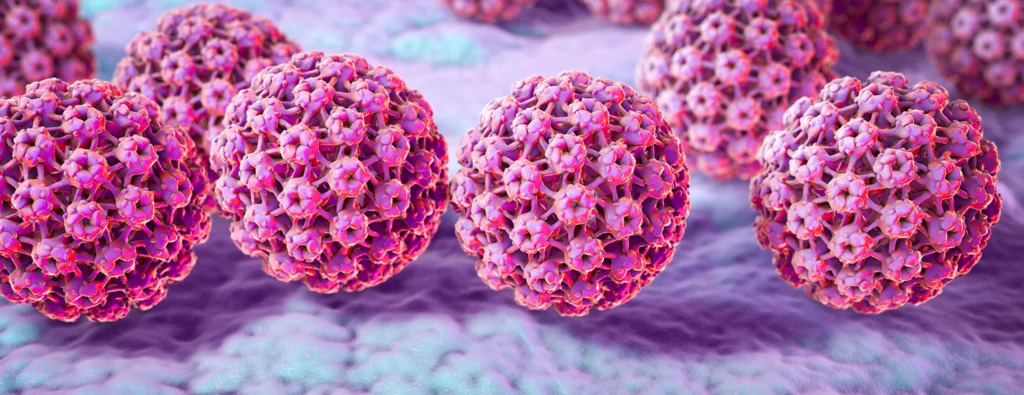
HPV infections occur when the virus passes through one’s broken skin after contact with an
infected person. For example, when a person engages in sexual activities with an infected
person, Genital HPV infections are contracted. A genital HPV infection can be contracted
through sexual intercourse, anal sex, through close skin-to-skin touching during sex especially in
people with multiple sexual partners. Oral sex can also lead to HPV infections that result in oral
or upper respiratory lesions.
A pregnant woman with genital warts can also pass on HPV to her unborn child.
What are the symptoms of HPV?
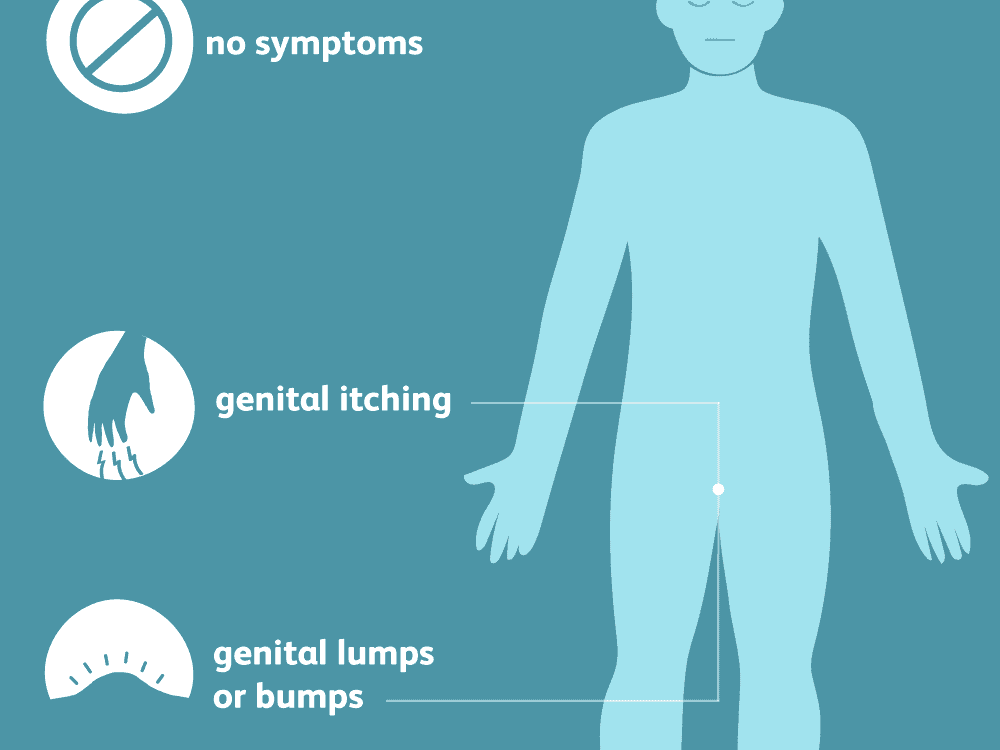
In most cases the body’s immune system is able to fight off the virus before it develops into
warts. However, if the immune system is unable to fight off the virus, the following symptoms
may occur:
● The appearance of warts in the affected area; These warts can be around the genital
areas or the upper respiratory part of the body. They may appear weeks, months or
even years after contact with an infected person. It is important to note that warts are
contagious.
● Cancer; In some instances, the infected person may show no signs at all, and these may
often lead to certain cancers after some time. Cervical cancer is the most common
cancer caused by a strain of HPV that is very dangerous. Other cancers caused by HPV
include anal, penile, throat, vaginal and vulva cancers.
What is the treatment for HPV?
● Genital warts, if left untreated, may go away. However, it is advisable to visit a
healthcare provider for treatment since warts may stay the same or grow in size or
number,
● Cervical pre-cancer can be treated. Women who get routine Pap tests and
follow up as needed can identify problems before cancer develops.
● Other HPV-related cancers are also more treatable when diagnosed and
treated early.
How can one prevent HPV?

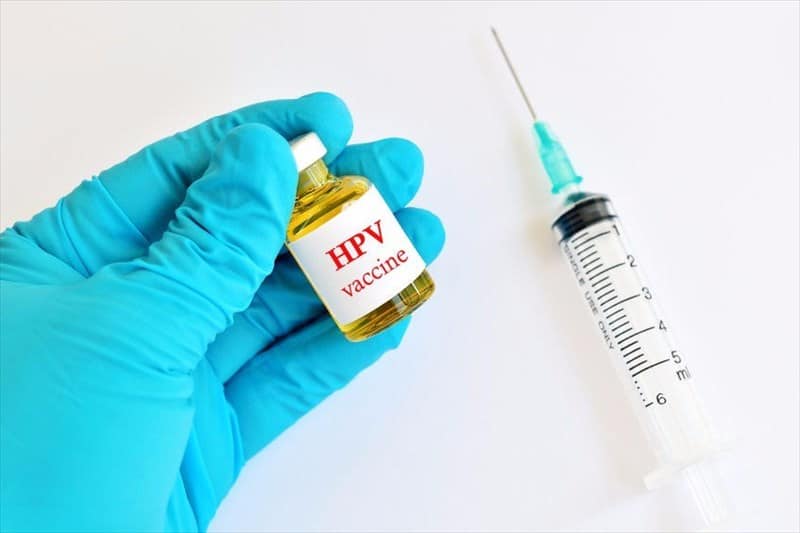
HPV vaccine; The Centers for Disease Control and Prevention recommends that
all 11- and 12-year-olds receive two doses of HPV vaccine at least six months
apart. This is the best age to receive the vaccine to protect against the virus
before a person is exposed through sexual activity. Children as young as 9 can
receive the vaccine, as well. Research has shown that the two-dose schedule is
effective for children under 15.
You can reduce your risk of developing genital warts and other HPV-related genital
lesions by:
● Waiting to take part in sexual activity until you are ready.
● Being in a mutually monogamous sexual relationship.
● Reducing your number of sexual partners.
● Using a latex condom.
Source
www.cdc.gov
www.webmd
www.mayoclinichealthsystem
Put together by
Augustina Amarh and Maureen Masopeh
Content creators
Health Essentials Ltd