I love the years when we competed on whose urine stream could go the farthest, then as time
went on we engaged in “more important” competitions but recently the topic quite often centres
on how often one wakes up at night to urinate. Sleeping throughout the night with no
interruptions is now worn as a badge of honour. An abrofo nkatie (or chest-nut sized if you
prefer sophistication) sized structure has more control on all these competitions than you can
imagine.
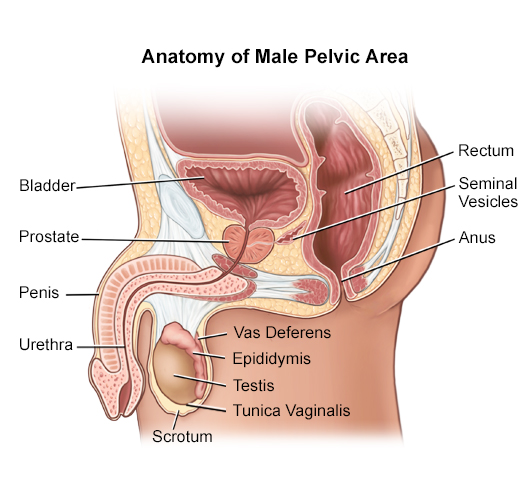
The Anantomy of the Male Pelvis Area
If you have not heard about the prostate gland yet then you are probably well below your fourth
decade in life and it does not matter if you are male or female. This time our ladies have been
spared the direct troubles that may accompany a prostate; MEN ONLY!
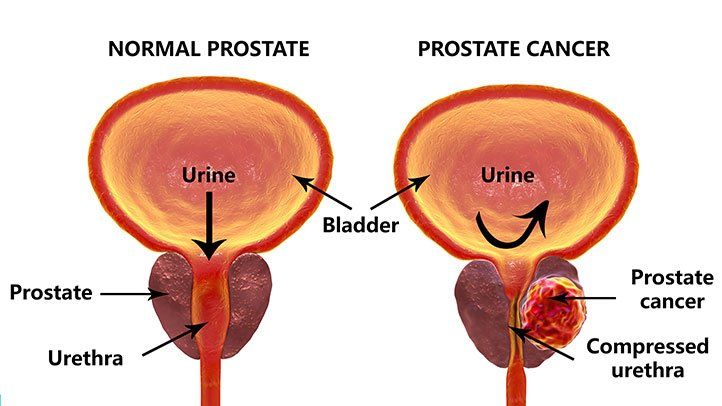
The prostate is sandwiched by the bladder and the penis and the rectum is behind it. The urethra
then runs through its centre. We will realise soon that these structures closely associated to the
prostate have a story to tell when changes occur. The primary role of the prostate is to secrete a
fluid that nourishes, protects and transports the sperm safely to their destination.
Most people associate the prostate only with prostate cancer and who wouldn’t BUT the prostate
has other challenges to contend with and we will focus on the main ones today;
- Prostatitis
- Benign Prostatic Hyperplasia (BPH)
- Prostate Cancer
Fortunately for us all three above can be managed especially when we start early and do not wait
for complications.
PROSTATITIS
Common in men below 50 years. May be classified as acute or chronic. It may be as a result of
bacterial infection through sex or urinary tract infection but may also be as a result of trauma.
Symptoms
Fever and chills, pus-like discharge through
Frequent urination , burning sensation during urination or difficulty urinating
Pain in groin, painful orgasms
Pain in bladder, testes, penis
Erectile dysfunction
BENIGN PROSTATIC HYPERLASIA (BPH)
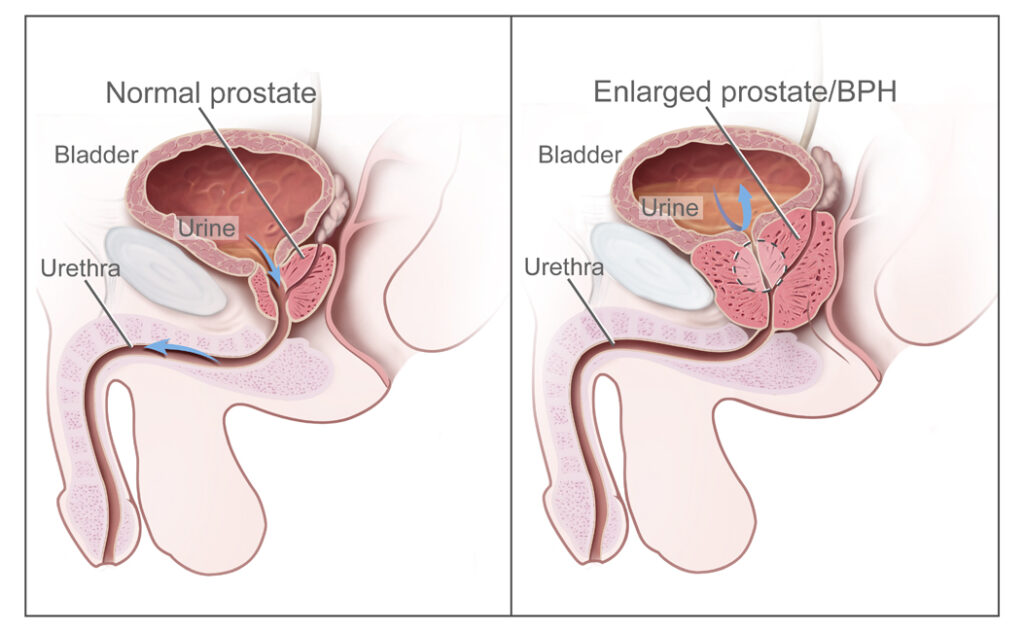
This is not cancer! There is an increase in size of the prostate though the actual cause of the
increase in size is unknown, there is an association with male hormones. The increase in size is
also associated with age.
I have had the unpleasant experience of witnessing grown men sweating and crying in pain as
they are unable to pass urine even though they have a full bladder and this is because the
enlarged prostate has blocked the urethra where the urine exits. Fortunately medical science has
made it possible to offer quick relief, well that is once the person can get to a professional.
Symptoms
One urinates frequently especially at night
There may be urgency; you need to “evacuate” urine once you get the urge otherwise you
may wet yourself.
There may be difficulty starting to urinate and you may have to strain
Poor urine stream; remember the competitions of yesteryears?
Intermittent urine stream; urine stops midstream and then resumes when you coax it
enough
Terminal dribbling; after urinating you may continue to drip and hence men beyond a
certain age tend to shake the penis after the act
Urinating may be painful
Blood may be in the urine; sometimes the blood may not be visible to your eye
Prostate Cancer
PROSTATE CANCER
This is one of the commonest diagnosed cancers in men. In Ghana the prevalence of prostate
cancer is about 7% (among 50 to 74 year olds) and the average age of diagnosis is 66 years. Most
prostate cancers are slow growing and many people die with the cancer and NOT FROM the
cancer. This cancer is commoner among black males and may appear at an earlier age and often
more aggressive and lethal.
Risk factors
Age; increase change of getting this cancer as you grow older
Race; being black may mean a higher risk
Family History; when others in your blood line have had a brush with prostate cancer
then be alert
Fatty foods, sedentary life
Obesity is often blamed as well but I have seen people slimmer than me have to deal with
this. Get screened
Symptoms
When prostate cancer has not spread beyond its walls
Frequency, nocturia, straining, blood in semen or urine
Weak or interrupted urine flow
New onset erectile dysfunction
Pain at micturition ( not common)
When the cancer spreads
Pain in back, hips, thighs etc.
Unexplained weight loss
Fatigue
Change in bowel habits such as constipation etc.
There are various steps to diagnose prostate cancer, BPH or prostatitis and we will delve into
these later but a few lines on the PSA is in order. The prostate specific antigen (PSA) is an
enzyme that may be used to screen for prostate cancer but it should be noted that like all tests it
has its downsides. It is elevated whenever there is an irritation of the prostate. It may be elevated
in other conditions other than prostate cancer such as;
Inflammation such as in prostatitis
Certain anal/rectal examinations
Severe constipation
Extended sexual intercourse (I am not sure what extended means)
Passing a urinary catheter
PROSTATE CARE/RISK REDUCTION
Choose healthy foods; lots of fruits and vegetables
Choose healthy foods over supplements
Keep a healthy weight
Exercise most days of the week
Report symptoms discussed quickly
Get screened. And do alert your doctor if you have a family history of prostate cancer
Men, it is time to take care of our prostates and dear ladies do keep an eye on the prostates that
are dear to you.
AS ALWAYS LAUGH OFTEN, ENSURE HYGIENE, WALK AND PRAY EVERYDAY AND
REMEMBER IT’S A PRICELESS GIFT TO KNOW YOUR NUMBERS (blood sugar, blood
pressure, blood cholesterol, BMI)
Dr. Kojo Cobba Essel
Health Essentials Ltd/ St Andrews Clinic/Mobissel
(dressel@healthessentialsgh.com)
Dr Essel is a medical doctor, holds an MBA and is ISSA certified in exercise therapy, fitness nutrition and corrective exercise. Thought for the week – “Prostate cancer is the most common cancer in men with more than 1 million new cases diagnosed each year worldwide (according to the World Cancer Report 2014: 1 111 689 cases identified in 2012).